Feeding and Hydrating Your Dog on Long Hikes
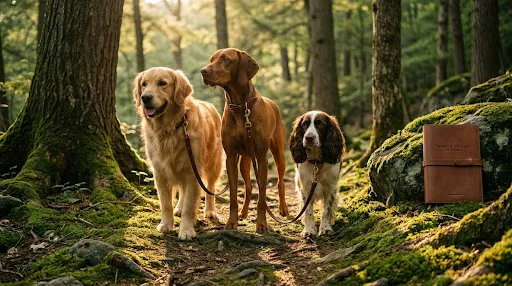
A 6-hour high-altitude mountain expedition demands vastly different nutritional fuel than a twenty-minute trot around Central Park.
During an alpine ascent covering 7 miles and over 2,000 feet of vertical elevation gain, an active canine burns up to 1,800 to 2,400 kilocalories—more than double their standard metabolic maintenance energy. Their working muscles rapidly exhaust intramuscular glycogen stores, while their heart and respiratory system draw heavily on fat oxidation to sustain cardiovascular stamina.
For high-net-worth NYC owners feeding specialized raw diets (such as BARF or Prey Model Raw), fueling an expedition dog introduces unique logistical and biological considerations.
Here is how our clinical handlers manage raw dietary cold-chains, caloric timing, and wilderness hydration to ensure peak physiological recovery on the trail.
1. Fat vs. Carbohydrate Metabolism in Working Dogs
Human endurance athletes rely primarily on carbohydrate loading to sustain prolonged aerobic exercise. Canines, however, are metabolically optimized for Beta-Oxidation—the utilization of dietary fats and animal protein as their primary cellular fuel source.
- The Power of Saturated & Monounsaturated Animal Fats: High-fat dietary inclusion (between 25% and 35% on a dry matter basis) provides dense, slow-burning caloric energy without causing rapid blood glucose spikes or insulin crashes.
- Intramuscular Glycogen Preservation: Conditioning dogs on raw pasture-raised proteins (such as lamb, venison, or wild boar) provides concentrated bioavailable L-carnitine, supporting fatty acid transport into the mitochondria during sustained uphill climbs.
- The Gastric Dilation-Volvulus (GDV) Hazard: A critical clinical rule of canine exercise is Never Feed a Large Meal Within 2 Hours of Heavy Aerobic Exertion. Feeding a heavy raw meal immediately before or during an ascent places the dog at grave risk for life-threatening gastric torsion (bloat). Full meals must be reserved for post-trail resting periods.
2. On-Trail Fueling: The Mid-Trek Macro Boost
During our 6-hour expeditions, dogs need targeted metabolic support without filling their stomachs. Our handlers utilize carefully engineered trailside fuel packs:
- Single-Source Freeze-Dried Novel Proteins: Light, easily digestible bites of freeze-dried venison, rabbit, or pasture-raised beef liver offer quick amino acid delivery to prevent muscle catabolism without digestive weight.
- Organic Pumpkin & Coconut Oil Puree: Medium-chain triglycerides (MCTs) in cold-pressed virgin coconut oil are absorbed directly into the portal vein and converted into immediate cellular ketones, providing an instant cognitive and energy surge on steep summit scrambles.
- Electrolyte-Infused Bone Broth: Slow-simmered grass-fed marrow broth packed with sodium, potassium, and magnesium replenishes vital cellular electrolytes lost through heavy respiratory panting.
3. The Cold-Chain Protocol for Raw Feeders
For clients enrolled in our Boutique Alpine Boarding or full-day expeditions who maintain strict raw diets, preserving freshness during summer transport is paramount.
- Medical-Grade Dometic Mobile Freezers: Our custom Mercedes-Benz Sprinters are equipped with dedicated 12V dual-zone compressor freezers operating at 0°F (-18°C). Raw patties, whole prey grinds, and raw meaty bones remain rock-solid from Manhattan pickup to our Woodstock sanctuary.
- Separation from City Toxins: Raw proteins are pre-portioned in vacuum-sealed BPA-free canisters and thawed under strict food safety protocols in our commercial kitchen. We coordinate directly with your primary holistic veterinarian or canine nutritionist to honor exact gram portions and supplement regimens.
4. Wilderness Water Safety: Preventing Giardia and Cyanobacteria
One of the greatest hazards facing city dogs in nature is stagnant or contaminated water. While natural mountain streams look pristine, urban dogs have zero built-in immunity against common backcountry parasites.
- The Giardia & Cryptosporidium Threat: Stagnant pools, beaver ponds, and slow-moving marshes frequently harbor Giardia cysts from native wildlife. Ingestion leads to severe hemorrhagic gastroenteritis, chronic diarrhea, and dehydration.
- The Gotham Paw Clean-Water Standard: Handlers carry gravity-fed 0.1-micron hollow-fiber filtration systems and sterile stainless-steel water bladders. While dogs are permitted to wade in fast-rushing mountain springs, their primary drinking water is always filtered mountain spring water or certified potable hydration.
- Blue-Green Algae (Cyanobacteria) Monitoring: During late summer, handlers actively avoid calm lakes prone to toxic algal blooms, choosing high-altitude rocky rapids that remain too cold and swift for bacterial growth.
By combining clinical nutritional science with backcountry water safety, Gotham Paw ensures that every explorer burns clean fuel on the ascent and returns to their Manhattan home thoroughly restored, nourished, and content.