Does a Day in the Woods Calm a City Dog?
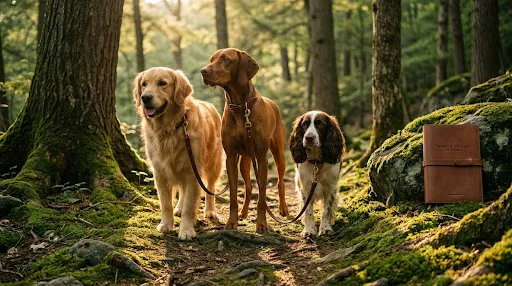
New York City is a dense, high-stimulation environment for any dog. Sirens, subway grates, construction noise, narrow sidewalks, and continuous close encounters with unfamiliar dogs and people can leave a city dog in a constant state of mild arousal.
Many owners wonder whether taking their dog out of the city for a full day of hiking in the Catskills will calm them down. The short answer: hiking helps many active or under-stimulated dogs relax, but it is not a cure for clinical behavioral anxiety.
Here is what a day in the woods can do, what it cannot do, and when it is time to work with a force-free trainer or veterinary behaviorist.
1. What a Trail Day Can Do
For dogs whose restlessness stems from physical under-exercise or mental boredom, a day on mountain trails provides real relief:
- Sensory Variety: Natural woodland terrain—fallen logs, creek beds, moss, and forest wildlife tracks—gives dogs miles of complex, non-threatening scents to process. Unhurried sniffing on a long line is mentally satisfying in a way that city sidewalk walks rarely match.
- Physical Exertion on Soft Ground: Navigating dirt trails, small elevation changes, and mountain streams tires out large muscles without the repetitive impact of miles on city concrete.
- Restful Sleep: Most dogs return from a full trail day pleasantly tired, drink water, and sleep deeply through the evening and into the following morning.
2. What a Trail Day Cannot Do
It is important to be realistic about what wilderness exercise cannot fix:
- It does not cure fear or noise phobia: A dog terrified of thunderstorms, fireworks, or truck brakes will still fear those sounds when they return to the city. Wilderness does not desensitize a dog to urban triggers.
- It does not resolve leash reactivity: If a dog lunges or barks defensively at other dogs on narrow sidewalks, running on a trail will not teach them how to pass dogs calmly on a 6-foot leash. That requires structured, force-free counter-conditioning.
- It does not fix separation anxiety: Distress when left alone indoors is a panic disorder, not an energy problem. A tired dog may fall asleep faster, but underlying separation distress requires systematic gradual departure training.
3. Signs That Anxiety Needs a Professional
If your dog displays any of the following behaviors, extra exercise is not enough—you should consult a qualified force-free professional or veterinarian:
- Panic Responses to Common Sounds: Trembling, hiding, panting, or refusing to walk when hearing normal city noises like buses, garbage trucks, or sirens.
- Reactivity That Escalates: Growling, snapping, or lunging at passing dogs or people that does not improve with distance.
- Destructive Separation Behavior: Chewing door frames, scratching windowsills, or howling continuously when left alone.
- Appetite Loss or Compulsive Pacing: Inability to settle indoors, pacing hallways for hours, or refusing meals in the home environment.
For severe fear or panic, a veterinarian or board-certified veterinary behaviorist (DACVB) can evaluate whether medical support alongside behavior modification will help your dog feel safe.
4. How to Use the Trail Wisely
If your dog is healthy and generally comfortable with new environments, hiking can be a wonderful part of a balanced routine. Keep trail trips low-pressure: use a 30-foot long line rather than forcing off-leash interactions, let them stop and sniff whenever they want, bring fresh water, and never push a nervous dog past their comfort zone.